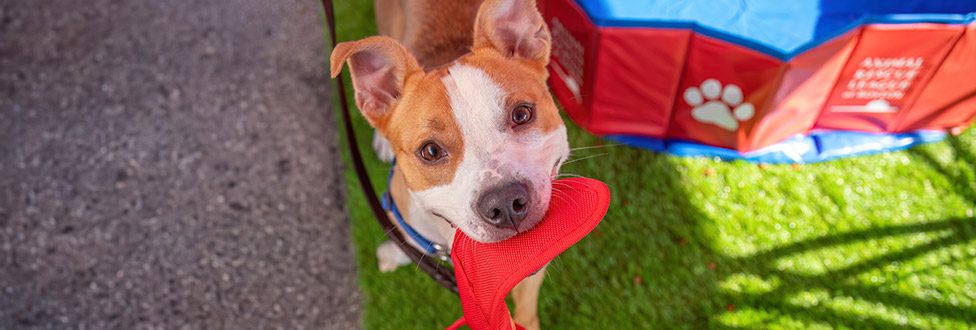
Hill’s Pet Nutrition Sponsors Fee-Waived Adoptions at the Animal Rescue League of Boston August 28 Through 30
The Animal Rescue League of Boston (ARL) is teaming up with Hill’s Pet Nutrition (Hill’s) for a special adoption event from Friday, August 28 through Sunday, August 30, as part of NBCUniversal’s 12th annual Clear the Shelters campaign.
Hill’s Pet Nutrition is sponsoring fee-waived adoptions at the Animal Rescue League of Boston from August 28–30 as part of NBCUniversal’s 12th annual Clear the Shelters campaign.
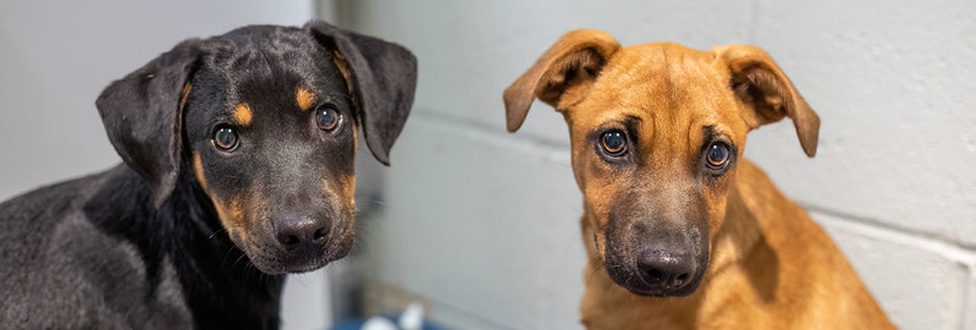
During the three-day event, adoption fees will be fully waived for all dogs and cats ages 1 year and older at ARL’s Animal Care & Adoption Centers in Boston, Dedham, and Brewster, thanks to the generous support of Hill’s Pet Nutrition. Adopters will also receive a New Pet Parent Kit from Hill’s, which includes a starter bag of Hill’s Science Diet, a coupon, and helpful post-adoption tips.
Help Us Clear The Shelters
Every animal adopted creates space and resources for ARL to help another animal in need.
Clear The Shelters is a nationwide pet adoption and donation initiative that has helped more than 1.3 million pets find homes and raised more than $5.6 million for participating shelters and rescues since its inception. This year, Hill’s is serving as the campaign’s first-ever presenting sponsor, marking its ninth consecutive year supporting Clear The Shelters.
ARL is also a proud partner of Hill’s Food, Shelter & Love program, which provides discounted, science-led nutrition to shelters year-round and has donated more than $300 million in pet nutrition to help more than 16 million pets find homes.
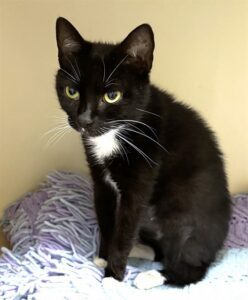
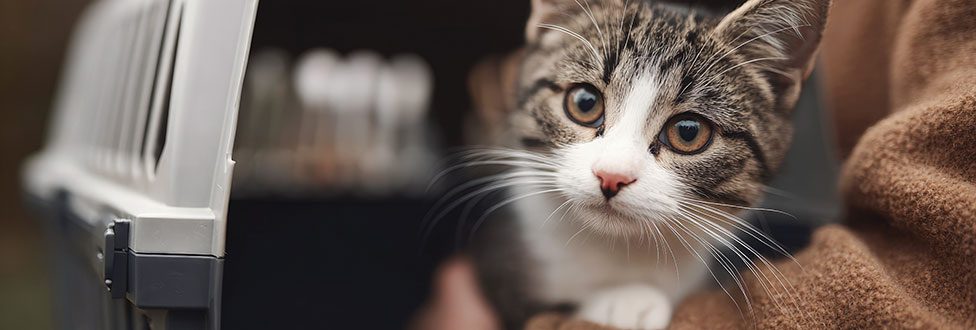
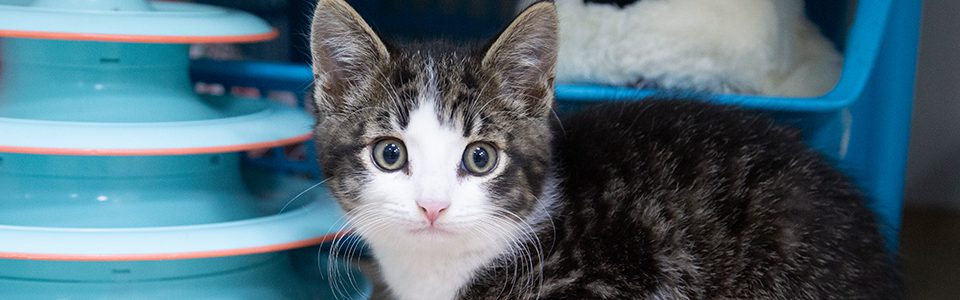
Cats like Amaryllis will have their adoption fees waived from August 28–30, thanks to Hill’s Pet Nutrition as part of NBCUniversal’s 12th annual Clear the Shelters campaign.
“Clear The Shelters is an incredible opportunity to shine a spotlight on the many wonderful animals waiting for homes, and we’re grateful to Hill’s Pet Nutrition for their partnership and making adoption even more accessible by generously sponsoring adoption fees from August 28-30,” said Dr. Edward Schettino, President and CEO of the Animal Rescue League of Boston.
“We hope this weekend encourages people to visit one of our locations, learn more about the animals in our care, and perhaps make a connection with the right pet for their family.”
Visit ARL August 28–30
Whether you’ve been thinking about adopting or are just beginning your search, we encourage you to visit ARL this weekend and meet the wonderful animals waiting to find loving homes.
Fee-waived adoptions will be available Friday, August 28 through Sunday, August 30. Open adoption hours are 1:00 – 6:00 p.m. at all three ARL Animal Care & Adoption Centers. View ARL’s adoptable animals to learn more about the pets in our care.